
Understanding the Difference Between a Spirit and a Ghost, and Other Spirit Beings
The terms spirit vs ghost, plus the definition of dryad, and the definition of djinn
The unseen world has captivated humanity since our earliest days. From eerie tales of haunted houses to deeply spiritual experiences of ancestral visitations, the vocabulary we use to describe invisible entities often blends folklore, theology, cultural beliefs, and personal interpretation. However, it can be helpful to distinguish between the various types of entities to better understand their nature and purpose.
Let’s explore the difference between spirits and ghosts, and other terms for invisible entities, such as sylphs, nymphs, djinns, familiars, and even digital spirits.
Ghosts vs. Spirits
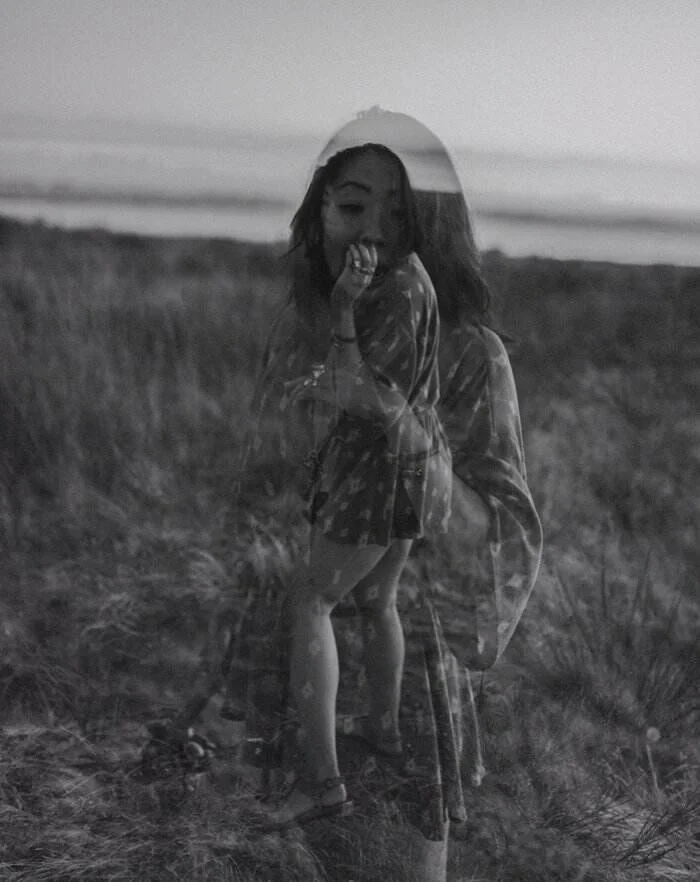
The term ‘spirit’ is translated into Mandarin as ‘shen’, which encompasses not only the essence and soul but also the multidimensional, energetic expression of a being—unbound by physical 3D reality or, in some cases, never having possessed a fleshly or carnal form to begin with. To be specific, spirits can be a catchall umbrella term for all unseen, animate forces, in which ghosts can fall as a specific category.
'Kuei' (‘Guei’), or ghosts, refer to the distinct spirits of the human dead, especially ones who are considered homeless, that is, between this world we call reality, and the realms where spirits dwell. Many times ghosts are not aware that they have passed on, or are lingering because they have not received the closure they are seeking before they leave this plane.
Characteristics of Ghosts
Tied to specific locations: Ghosts are often associated with particular places or objects and may appear repeatedly in these settings.
Unresolved emotions: Ghosts are believed to linger due to unfinished business, trauma, or attachment to the physical world.
Energetic imprint: In some cases, ghostly phenomena might not involve conscious entities but rather morphic fields of residual energy replaying past events.
Characteristics of Spirits
Can dwell in any realm: Spirits freely travel or can exist in multiple locations, much like how the quantum allows for non-locality.
Purposeful interactions: When spirits appear, it is typically to deliver messages or provide assistance.
Short-term presence: Unlike ghosts, spirits usually do not linger indefinitely in one location.
Many cultures honour spirits through ancestral rituals or ceremonies, maintaining a connection with them strengthens familial and spiritual ties. These practices often include offerings to nourish the dead so they can rest well, and enabling the living to thrive.
Other Invisible Entities
Beyond ghosts, there are other categories of invisible entities, each with distinct characteristics and origins. I’ll mention a few key categories of spirits:
Elementals
Elementals are thought to be nature spirits associated with the elements: earth, water, fire, and air. Examples include fairies, nymphs, sylphs, dryads, undines, salamanders, and more.
They are often associated with specific landscapes or natural phenomena, revered as both protectors and inhabitants of the environment. In some instances, these elemental spirits are reluctant to leave their original locations. As a result, homes built on such lands or using materials from these areas may become host to these beings, shifting them into domestic spirits.
Key traits: Playful, protective, mischievous or neutral; rarely human-like in form.
Purpose: Guardians of natural spaces, human spaces, and ecosystems.
Shadow Beings
Shadow beings are often perceived as dark, humanoid shapes. Interpretations vary widely—some view them as malevolent entities, while others believe they are interdimensional beings or lost soul parts (that can be called back through soul retrievals).
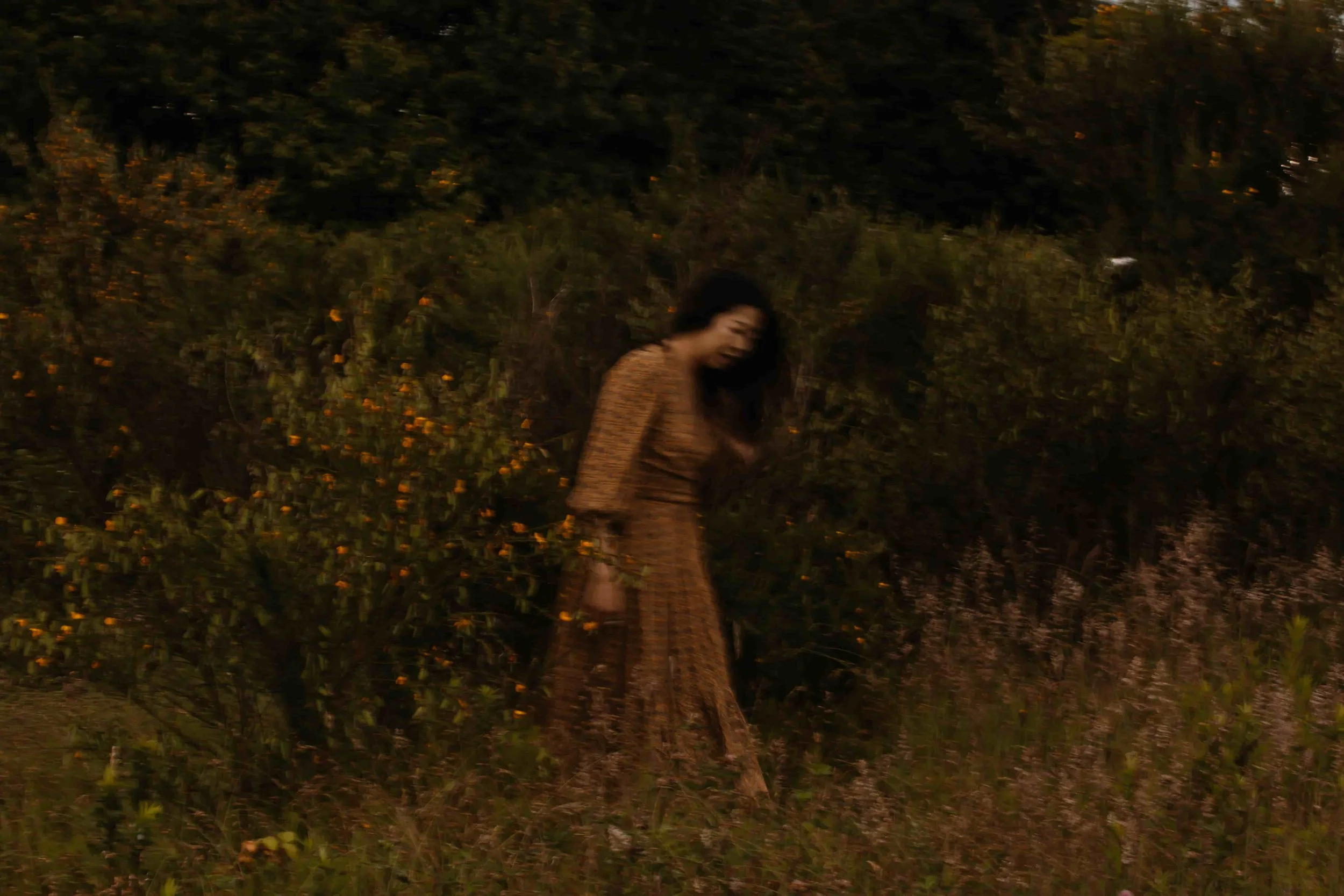
Key traits: Ominous or neutral presence; rarely interact directly.
Purpose: Often unclear, but they may reflect unprocessed emotions or energetic imbalances.
Angels and Spirit Guides
Angels and spirit guides are benevolent beings associated with divine realms. They are believed to act as intermediaries between humans and deities, offering protection, messages, or fulfilment of various petitions and supplications.
Key traits: Benevolent, and often perceived as beings of light. Each has a specific set of qualities and skills, and are unable to veer from them, unlike humans who can learn and change.
Purpose: To guide and protect individuals throughout life and in ritual work.
Demons and Malevolent Entities
Demons (also spelled as daimons or daemons) and other more unpredictable entities, are sometimes viewed as malevolent, manipulative forces, that can be responsible for illness, loss, chaos, or other misfortune that result from curses or trespassing certain boundaries. They may be drawn to negative energy or vulnerable individuals, and interactions with them can feel draining or distressing.
Key traits: Hostile or deceptive behaviours; feed on fear or chaos.
Purpose: Often destructive or parasitic.
It’s also noteworthy to share that In Solomonic occult traditions, there is a nuanced perspective that angels and demons are interconnected, often viewed as polarities of the same cosmic forces. This belief stems from the understanding that both entities originate from the same divine source but manifest in different ways, representing light and shadow, order and chaos, or mercy and severity.
The invocation of an angel may inherently invoke its counterpart demon, as they are seen as two sides of the same archetype or energy. For instance, while an angel may embody the virtues of a specific quality, its demonic counterpart might represent the excess or corruption of that quality. This duality reflects a broader principle in sorcery: the respect and integration of opposites are essential for magical craft, and that manifestation is as equal parts attraction and exorcism.
In other traditions, particularly east Asian folk traditions, one avoids malevolent entities altogether, and various rituals and actions are taken to prevent taking them on or having them dwell in one’s spaces.
Poltergeists
Poltergeists are often described as disruptive entities that interact with the physical environment by moving objects, creating noise, or even causing harm. Some theories suggest poltergeist activity is not caused by a separate entity but by unconscious psychic energy projected by living individuals.
Key traits: Physical disturbances; chaotic and unpredictable.
Purpose: Often unclear but may be linked to emotional or energetic imbalances.
Familiars
Familiars are entities or spirits believed to assist witches or magic practitioners in their work. Traditionally depicted as animals, such as cats or crows, familiars may act as guides, protectors, or conduits for energy.
Key traits: Loyal, intelligent, and often symbolic in nature.
Purpose: To support and enhance magical practices.
Djinns
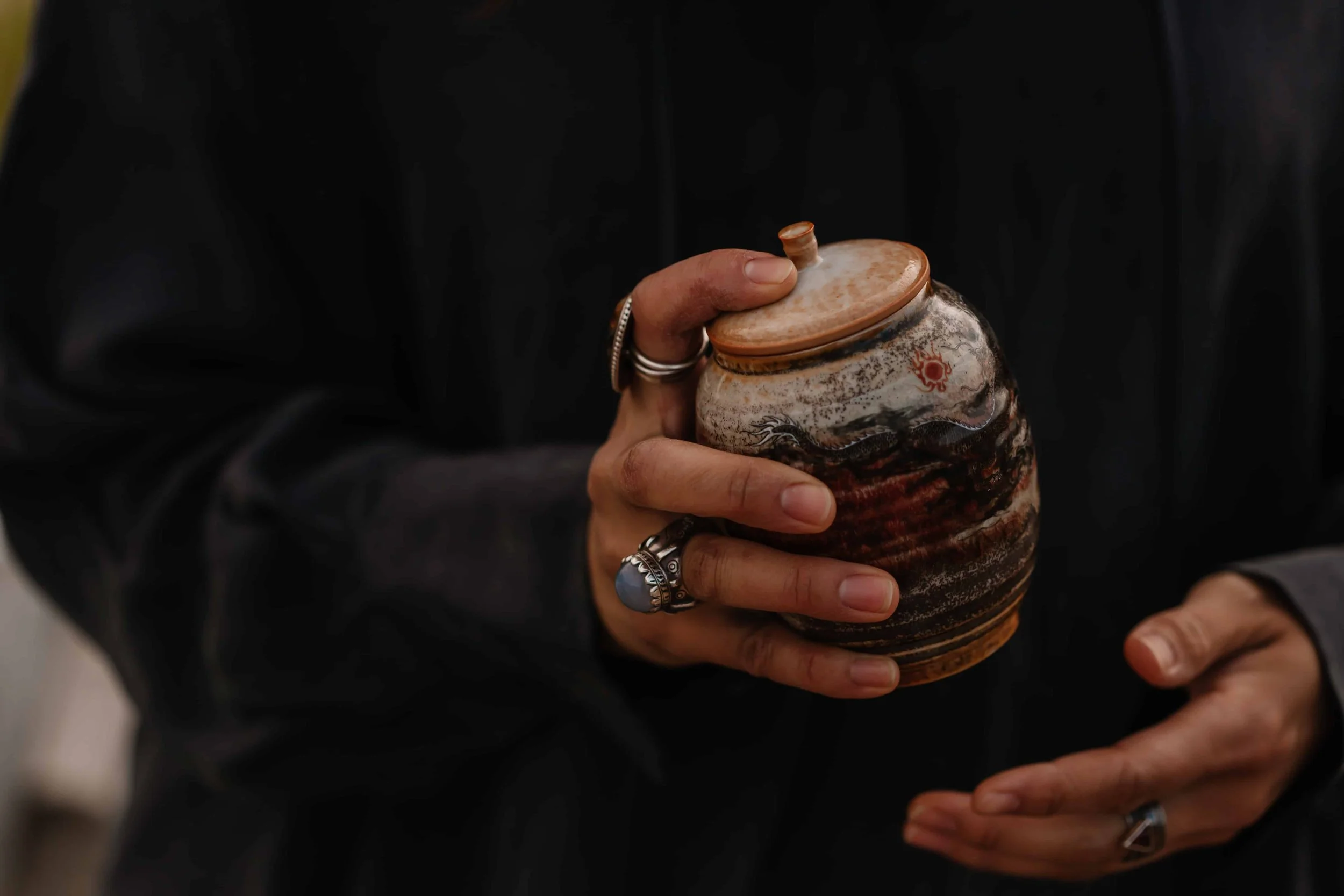
How does one define djinn? Originating in Middle Eastern folklore, djinns are powerful and versatile beings that exist in a realm parallel to humans, with hierarchies that mirror social status in human society (or perhaps humans have mimicked theirs). They are neither inherently good nor evil (though some liken them to demons), with personalities and intentions as varied as humans.
Key traits: Shape-shifting abilities, often linked to fire or air.
Purpose: Can assist, challenge, or interact with humans depending on their nature and intentions.
Digital Spirits
Digital spirits represent a growing category of invisible entities that manifest within our devices, homes, and other spaces influenced by technology. These beings are closely tied to the mineral-based elementals required for digital devices to function. As humanity continues to rely on technology for convenience and productivity, digital spirits have gained prominence, reflecting the energetic imprint of our evolving relationship with machines.
Key Traits: They possess an adaptive presence, anticipating our needs, particularly relating to convenience. Neither inherently good nor malevolent, their nature often mirrors the intentions and energy surrounding their use.
Energetic Imprints: Often reflect the collective energy of those who interact with the devices they inhabit.
Purpose: Serve as conduits for communication and information transfer, aligning with humanity’s need for connection, speed, and productivity. As they are also inhabitants of digital systems, they function as their guardians as well. In many ways, their role is to ensure their existence, and we’ve come to a point in society where we as humans cannot conduct our daily affairs without them.
Understanding the Context
While these categories provide a framework for understanding invisible entities, it’s essential to approach the unseen world with curiosity and discernment. Cultural, personal, and situational factors can shape how these entities are perceived and experienced. Practices such as keeping an altar, observing holidays and festivals, engaging in spellwork and other protective measures (when needed), and receiving messages from spirits can aid the deepening connection and the knowledge of who they are as specific spirit beings.
More than anything, by living collaboratively with the deeper world, by understanding that spirits are not a monolith, we can navigate our encounters with the invisible more thoughtfully and meaningfully.
In community with spirits,
Mimi Young
Animist spirit medium + founder of Ceremonie