
History of Playing Cards for Divination: Origins of Tarot, Mahjong, and Cartomancy
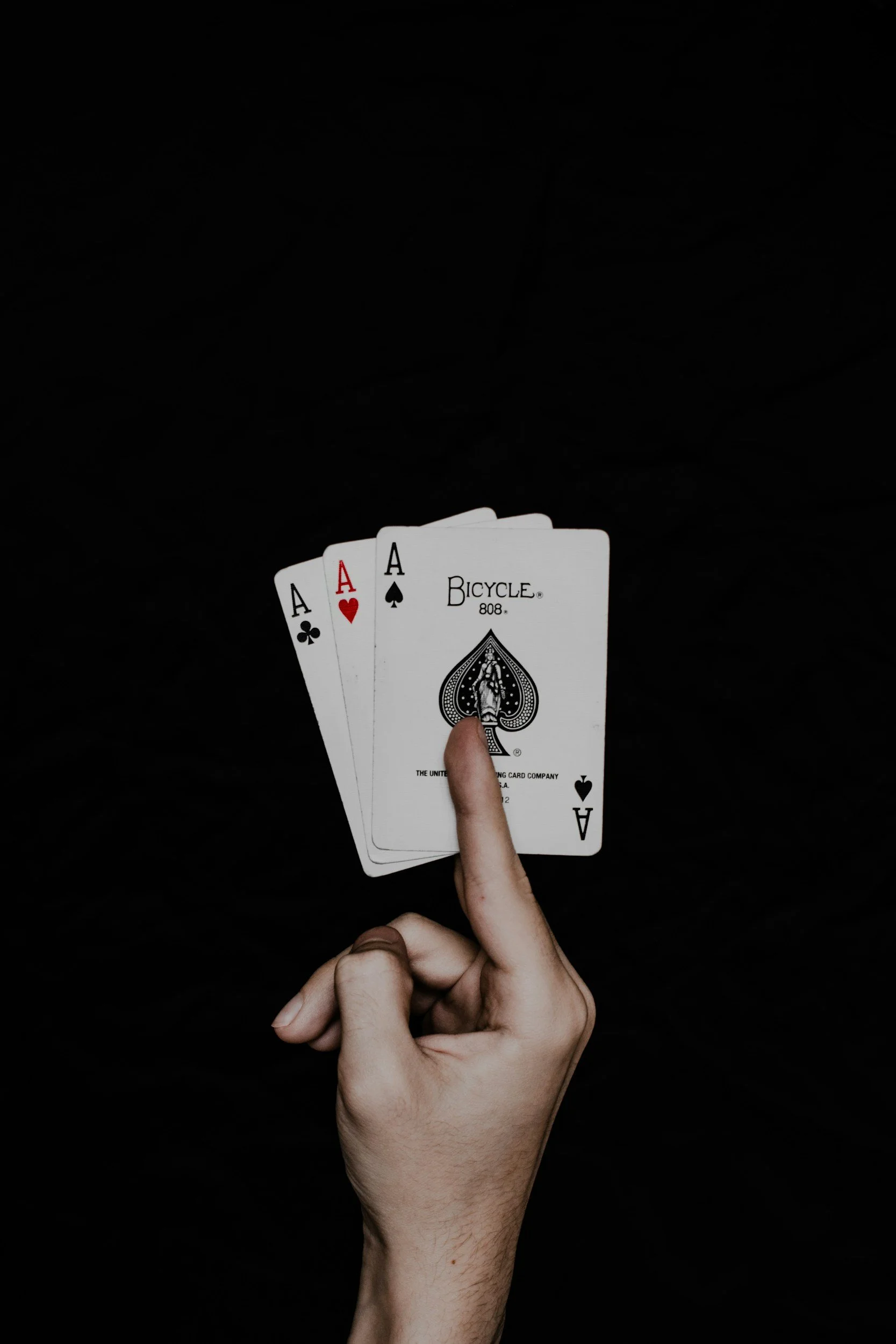
Why divinate with playing cards?
Playing cards are believed to have originated in 9th-century China during the Tang Dynasty, where they were used both for entertainment and as a form of divination or gambling. Early Chinese cards resembled paper dominoes or money-suited cards and often reflected social structures and economic metaphors.
By the 13th and 14th centuries, playing cards had travelled west via trade routes, reaching the Islamic world and eventually Europe. Mamluk Egypt produced ornate, hand-painted decks, which likely influenced early European designs. When cards arrived in Europe, particularly in Italy and Spain, they evolved into suits representing the social classes: cups (clergy), swords (military), coins (merchants), and batons (peasants).
The modern 52-card deck was later standardised in France, where the suits of hearts, spades, clubs, and diamonds took hold. These were adapted from earlier European suits and became widely accessible through the rise of printing. The Joker was added in the 19th century in the United States.
Tarot likely originated in 15th century Italy as a playing card game called Tarocchi or Trionfi, and wasn’t actually originally used for divination. The deck shared suits like modern playing cards, plus a separate set of trump cards (also known as the Major Arcana). Tarot became more commonly used as an esoteric tool, when from the 18th century onwards, occultists (such as Court de Gébelin and Éliphas Lévi interpreted cards through Hermetic, Kabbalistic, and alchemical lenses.
Mahjong, most likely emerged during the Qing Dynasty in the mid 1800s, evolving from earlier Chinese card games that involved drawing and matching suits, but later adapted to tiles that also include discards and forming numeric patterns in the game.
While now mostly seen as tools for games, playing cards have a long history of being used for divination and symbolic interpretation. Their structure, numerical patterns, and suits carry rich cultural, mystical, and archetypal meanings rooted in centuries of global and spiritual history.
The History of Playing Cards for Divination
Playing cards have been used for divination since at least the 14th century, with roots in both Eastern and Western traditions. In China, early money-suited cards carried symbolic meanings and were sometimes used for fate-based readings, especially as part of folk sorcery practices.
In Europe, particularly from the 18th century onward, playing cards in their own write became a tool for cartomancy—the practice of using cards to gain insight into the past, present, or future. France was a major centre of this practice, where readers assigned meanings to the suits, numbers, and face cards, and linked them to topics like love, money, health, and conflict.
Hoodoo (also known as rootwork or conjure), which developed among African-rooted communities in the Southern United States, has a long tradition of incorporating playing cards for divination. In Hoodoo, playing cards are used not just for fortune-telling (often called a cartomancer), but as practical spiritual tools—to gain insight, make decisions, protect against harm, or uncover hidden truths. The meanings assigned to the cards often differ from European cartomancy are passed down often in oral tradition can vary in meaning.
Benefits of Learning Cartomancy Using Playing Cards to Divinate
Easy to access – Playing cards are widely available and affordable.
Rooted in tradition – Used for divination across cultures for centuries.
Supports psychic development – Enhances intuition, symbolism, and pattern recognition.
Portable – Compact and easy to use anywhere, even while traveling
Discreet – Subtle to use in public without drawing attention.
Versatile – Suitable for quick insights or deeper spiritual inquiries.
Confidence-building – Encourages fluency without relying on Tarot's complex imagery.
Creativity-enhancing – Invites flexible thinking through suits, numbers, and custom spreads.
Connects with rhythm and chance – Aligns with the flow of synchronicity.
Spiritually grounding – Uses everyday tools to open portals of meaning.
Join me in June 2025 for a 2-part in-person and live-stream (with recordings) Magick of Tea special series that explores the colour Blue as an animate being of wisdom, making our own playing cards in an artful and healing way, and learning foundational cartomancy wisdom.
Hope to see you there!
Mimi
Animist occultist and spirit medium